

Who Really Benefits from Caregiving? The Answer Might Surprise You.
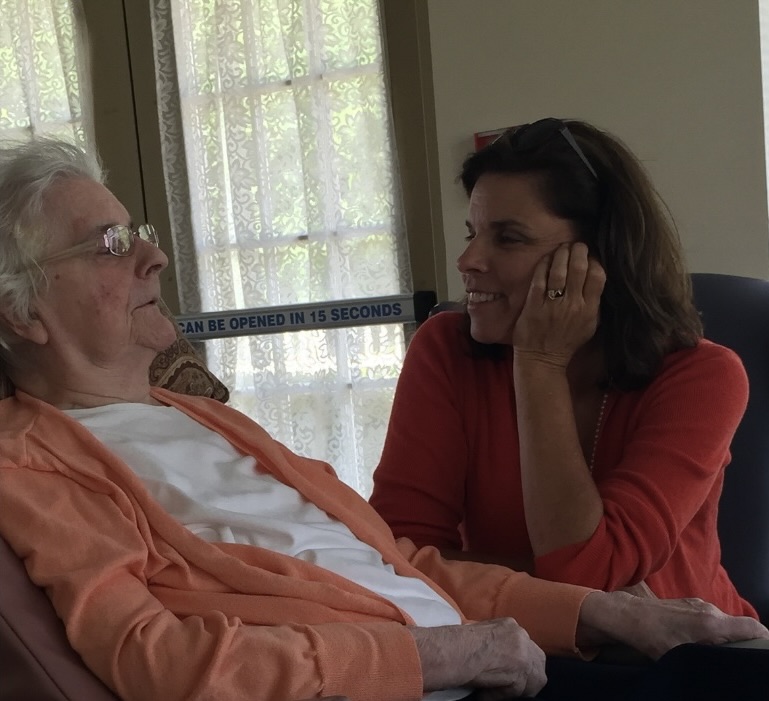
I was getting ready to leave my mother’s home after a full, lovely day together — shopping, lunch, an afternoon of HGTV on the couch — when she asked me a question I wasn’t prepared for. She wanted to know if she had done something to cause her Alzheimer’s.
I hadn’t considered that she might be wondering that. That she might be carrying that.
She looked scared. And she was trusting me with it. I felt the weight of that — and also something unexpected: I felt honored. Proud. In that moment, I understood that while she would always be my mother, I would need to become something more. A trusted friend. A companion. A sounding board where she could speak openly and honestly, without fear of being dismissed or having her feelings papered over with reassurances I couldn’t back up. I was proud that I had it in me to simply receive what she was offering — not to fix it, not to minimize it, just to be there for it.
That conversation changed how I saw her. And it changed how I saw myself.
When we think about who benefits from caregiving, the answer seems obvious. The person being cared for. They are fed, bathed, and kept safe. Their needs are met, moment to moment. The benefits are immediate and undeniable.
But what about the caregiver?
Those benefits are far less visible. Many caregivers never recognize them at all — not because they aren’t there, but because caregiving is so consuming, there’s rarely time to notice what’s happening to us in the process.
We Discover What We’re Made Of
Caregiving asks more of us than almost any other role. And in rising to meet that demand — imperfectly, exhaustedly, but persistently — we discover things about our own strength we couldn’t have found any other way. We find reserves we didn’t know we had. We bump up against our limits and our unresolved places. All of it is useful. The caregiver who emerges on the other side is not the same person who entered it.
An Opportunity in Disguise
It’s not easy to frame caregiving as an opportunity when we’re in the thick of it. But that’s exactly what it is — a chance to strengthen a relationship, deepen self-understanding, and clarify what matters most. These benefits don’t show up on a checklist. They accumulate quietly, in the background of all the hard work.
A Few Questions Worth Sitting With
- Have you had a moment with your loved one that surprised you — a conversation, a glimpse of who they really are beneath the role you’ve always known them in?
- What has caregiving asked of you that you didn’t know you had to give?
- If you could name one thing this experience is teaching you about yourself, what would it be?
You Don’t Have to Navigate This Alone
If you’re wondering how to stay afloat — or how to find meaning in this role — I wrote a book for us.
Caregiving Reimagined: A Practical and Spiritual Guide for Family Caregivers. You can purchase it where ever you get your books.
The benefits of caregiving are real. Trust that you will recognize them when you can.
Here to listen,
Claudia
How do you get rid of the anger