

🛁 Bathing a Loved One: Safety, Dignity, and Comfort
Bathing a loved one is one of the most intimate caregiving tasks.
If you’ve ever felt unsure, awkward, afraid they might fall — or heartbroken when they resisted — you are not alone.
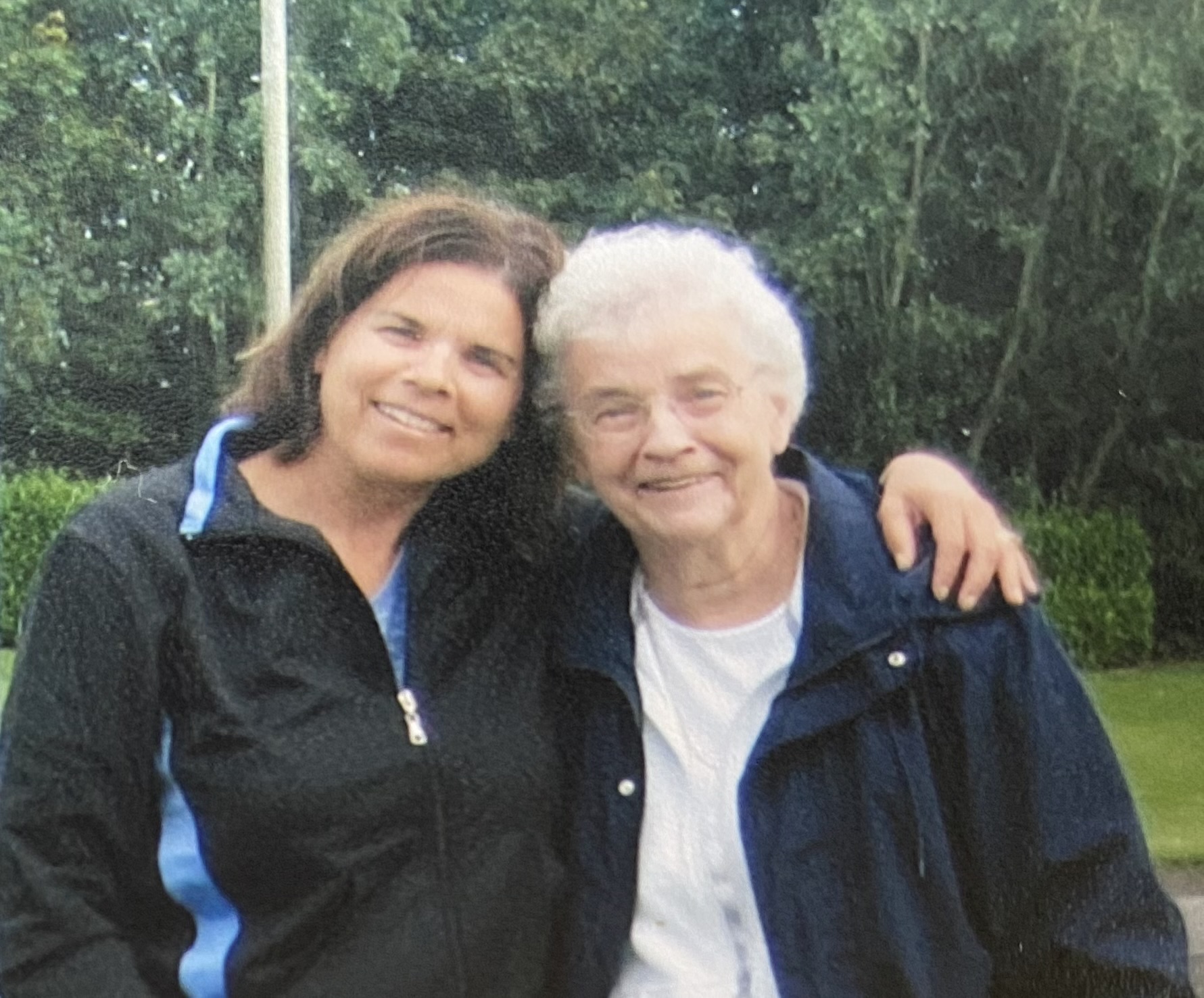
Before my mother moved into assisted living, she showered every day. Long, hot showers eased her pain and gave her quiet comfort. After she moved, bathing became scheduled and supervised. Twice a week. Baths only. An aide present.
What changed wasn’t just the routine.
It was the loss of choice.
When we help bathe an elderly parent or spouse, we aren’t just managing hygiene. We’re stepping into a deeply personal space that once belonged entirely to them.
That deserves care.
Make the Bathroom Safer and Simpler
Many bathing struggles can be reduced with a proper set-up.
To make bathing safer for seniors at home:
- Place frequently used items within easy reach.
- Use a basket to group supplies.
- Consider removing cabinet doors if bending is difficult.
- Add a sturdy chair if standing causes fatigue.
A well-arranged space protects independence — and your back.
Bathing in a Tub: Preventing Falls and Protecting Yourself
Falls are one of the biggest fears caregivers carry — and for good reason. Wet surfaces are slippery, and stepping over a tub wall requires balance and coordination.
To reduce risk:
- Install grab bars on the wall and near the tub edge.
- Use a non-slip mat inside the tub and a contrasting mat outside.
- Always test water temperature to avoid burns.
- Add a brightly colored floating object if depth perception is reduced.
If you are assisting your loved one into the tub:
- Stand with feet wider than hip distance.
- Bend your knees, not your back.
- Lower your body as they lower theirs.
- Avoid reaching away from your center — it increases your fall risk.
A bath chair that extends outside the tub can make transfers much safer. Your loved one can sit first, then swing legs in one at a time. A hand-held shower-head gives more control and comfort.
And remember — when they are wet, they are more vulnerable. Move slowly. Speak calmly. Rushing increases fear for both of you.
Showering an Elderly Parent Safely
If standing in the shower is still possible:
- Install grab bars.
- Use non-slip flooring.
- Remove shower doors if possible — curtains allow easier access.
- Choose pump-style soap containers.
- Keep a stable shower chair nearby for fatigue.
When They Resist Bathing
Resistance to bathing is common. As a person’s health and awareness decline, bathing can cause distress and fear. Water on their face or washing their hair may agitate them. Their perception is no longer what it once was and they may see this activity as a threat.
Try:
- Warming the room first.
- Offering a warm towel over their shoulders.
- Playing familiar music.
- Giving choices (“Shower or bath?” “Morning or evening?”).
When we restore even small choices, we restore dignity.
The Emotional Side of Bathing a Loved One
This task can feel heavy.
The first time you help your mother undress, you may notice your hands hesitate. You may look away to protect her modesty — or your own discomfort. These moments can feel awkward. That’s normal. You are stepping into a role neither of you imagined.
You may worry you’re not doing it right.
You may feel exhausted.
Bathing is not just a physical task. It carries memory, modesty, and meaning.
You are not “just helping with hygiene.”
You are protecting their dignity.
And you deserve support, too.
Want More Guidance?
There are many assistive devices, positioning techniques, and safety strategies that can make bathing an adult easier for both of you. And if your loved one’s health declines to the point that bathing must happen in bed, there are thoughtful, step-by-step approaches that can help you maintain safety, comfort, and dignity.
In Caregiving Reimagined: A Practical and Spiritual Guide for Family Caregivers, I go deeper into:
- Practical tips for bathing a family member
- Safe body mechanics for caregivers
- Preserving dignity during intimate tasks
- Supporting your own emotional resilience
If you’re caring for a spouse, parent, or family member and want practical guidance rooted in compassion, this book was written for you.
You don’t have to figure this out alone.
I’m here for you.
Hugs,
Claudia