

Keeping Our Loved Ones Active: Why It Matters and How to Do It
As our loved ones’ health declines, it can be hard to know what to do with them. What used to come easily — a favorite hobby, a daily routine, a simple conversation — may now require more effort, more patience, and more creativity. But keeping our care recipients active, physically, cognitively, and socially, remains one of the most important things we can do for their well-being.
And for ours.
We Are a Team
One of the most helpful shifts we can make is to stop thinking of activities as something we do for our loved ones and start thinking of them as something we do together. Two people, one task. We let them do as much as they can independently and pick up the slack where needed. This approach preserves their dignity, maintains their sense of purpose, and keeps them engaged in life.
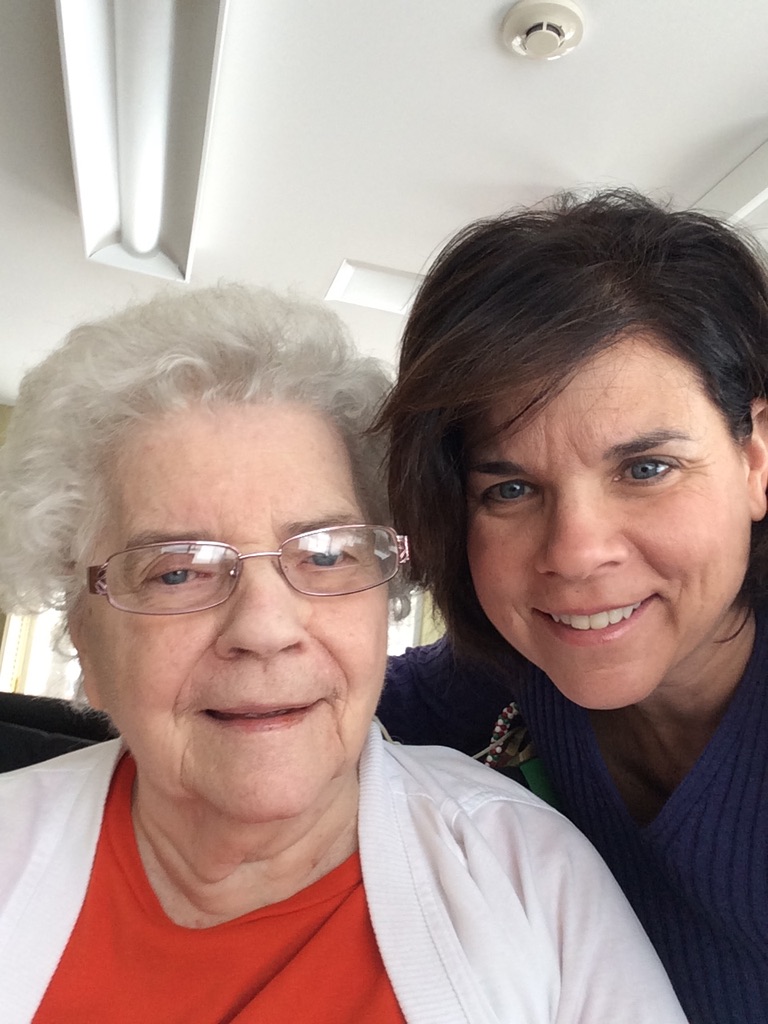
When my mother was first diagnosed with Alzheimer’s, I tried valiantly to keep her mind sharp — baking together, working on word searches, pointing out items in storefront windows. Not every attempt was a success, but the effort always mattered.
Start With What They Already Love
This is not the time to introduce something entirely new. We want to start with what our loved ones already know and enjoy. What were their hobbies? What did we previously do together? What music did they love? Familiarity is comforting, and comfort opens the door to engagement.
Here are some activities worth trying:
- Cooking together — Let them stir, mash, or instruct us on a family recipe. Always keep safety in mind around heat and sharp objects.
- Music — Singing favorite songs together has been shown to reduce stress for both caregiver and care recipient. Music can also unlock memories in remarkable ways.
- Religious services — The familiarity of a cherished service can trigger fond memories and provide deep comfort.
- Games — Bingo, word games, and jigsaw puzzles keep the mind engaged and are surprisingly social.
- Reminiscing — Sitting together with old photo albums and letting our loved ones tell their stories is one of the richest activities we can share. These are moments worth recording for future generations.
When Abilities Decline, We Adapt
Our loved ones’ abilities will change over time, and our approach needs to change with them. When my mother was confined to a wheelchair with very little movement, I would play music she loved. Whenever Glenn Miller’s “In the Mood” came on, her eyebrows would rise, and her lips would curl into a smile. We adapted. And those small moments became some of the most meaningful of our entire journey together.
The goal is never perfection. It is presence, connection, and engagement — at whatever level is possible on any given day.
There Is So Much More to Explore
If you are looking for practical guidance on navigating the caregiving journey — from keeping loved ones active to managing the emotional and spiritual demands on ourselves — I wrote a book for us.
Caregiving Reimagined: A Practical and Spiritual Guide For Family Caregivers. Your local bookstore can order a copy for you if they don’t have it on the shelf. Also, you can order the book here on my website, and from Amazon and Barnes and Noble.
We don’t have to figure this out alone. I’m here to listen and help.
Claudia